

Website scraping is one of those tools that can either save your startup weeks of manual work or land you in legal trouble if you're not careful about it.
Website scraping solves a real problem: getting data from websites at scale without typing it in by hand. If you need to monitor competitor prices, collect leads, or analyze market trends, scraping can do in minutes what would take your team days.
What is Website Scraping?
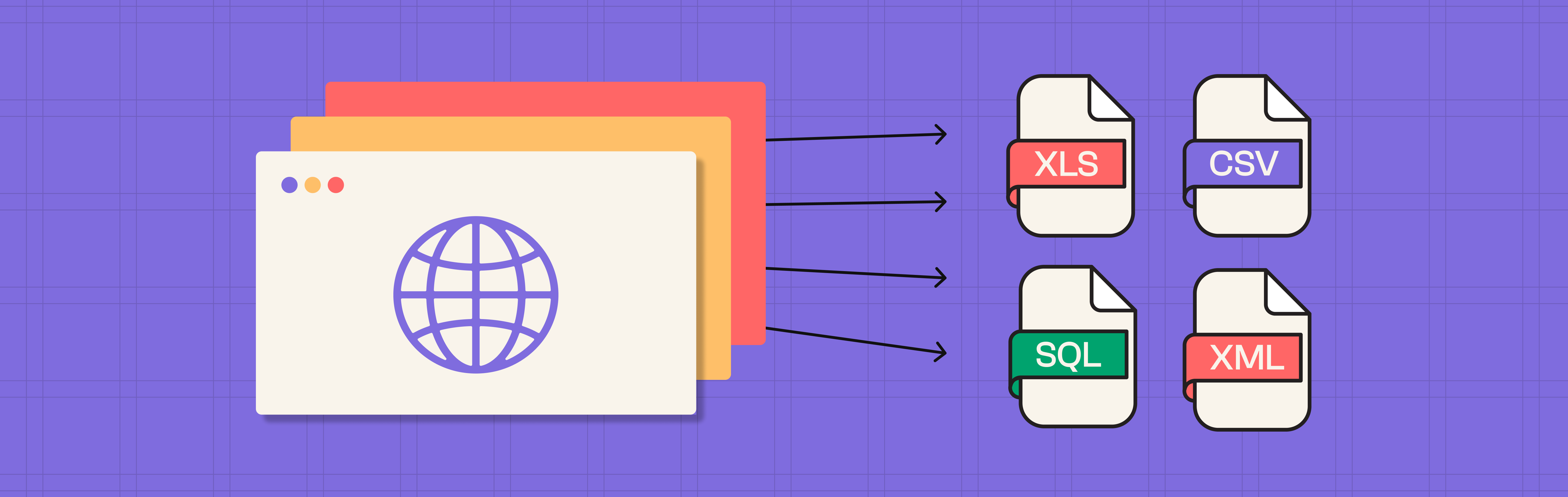
Website scraping is the automated process of extracting data from websites. A scraper tool visits web pages, reads the HTML code, and pulls out the information you need into a structured format like a spreadsheet or database.
Think of it like this. A human visitor reads a webpage and manually copies text, prices, or contact details. A scraper does exactly that, but automatically and at scale. It can grab thousands of records in hours instead of weeks.
Why Website Scraping Matters
For early-stage teams, website scraping is a competitive advantage. You can monitor what competitors are doing with their pricing, content, or product launches without spending money on expensive market research tools.
Scraping can reveal competitors' website traffic strategies and help you understand what drives website visibility in your niche.
It also powers real business decisions. You can collect job listings, real estate data, or product reviews to feed into your analytics. The speed and scale mean you stay informed faster than companies relying on manual processes.
Examples and Types
Price monitoring scraping tracks competitor prices in real time so you can adjust yours strategically.
Lead generation scraping extracts contact information and company details from directories or business websites.
Content scraping gathers articles, reviews, or product descriptions for analysis or research.
SEO scraping monitors search rankings, backlinks, and keyword performance across domains.
Social media scraping collects public posts, hashtags, and engagement metrics for trend analysis.
How to Apply It
Start by identifying what data actually matters to your business. Don't scrape everything just because you can.
Use ethical scraping practices. Check the website's robots.txt file and terms of service first. Many sites allow scraping if you're respectful about traffic and timing.
Choose the right tool for your skill level. Non-technical founders can use platforms like Octoparse or Apify. Engineers might prefer Python libraries like BeautifulSoup or Scrapy.
Respect rate limits. Don't hammer servers with requests. Space out your scraping to avoid overloading websites or getting your IP blocked.
Store data responsibly. Only keep what you need, and follow data privacy laws like GDPR if you're handling personal information.
Key Takeaways
- Website scraping automates data extraction from websites at scale, saving time on research and monitoring.
- It's useful for price tracking, lead generation, competitor analysis, and market research.
- Always check terms of service and robots.txt before scraping any website.
- Use ethical practices: respect rate limits, space out requests, and don't overload servers.
- Choose tools based on your technical skill level, from no-code platforms to Python libraries.